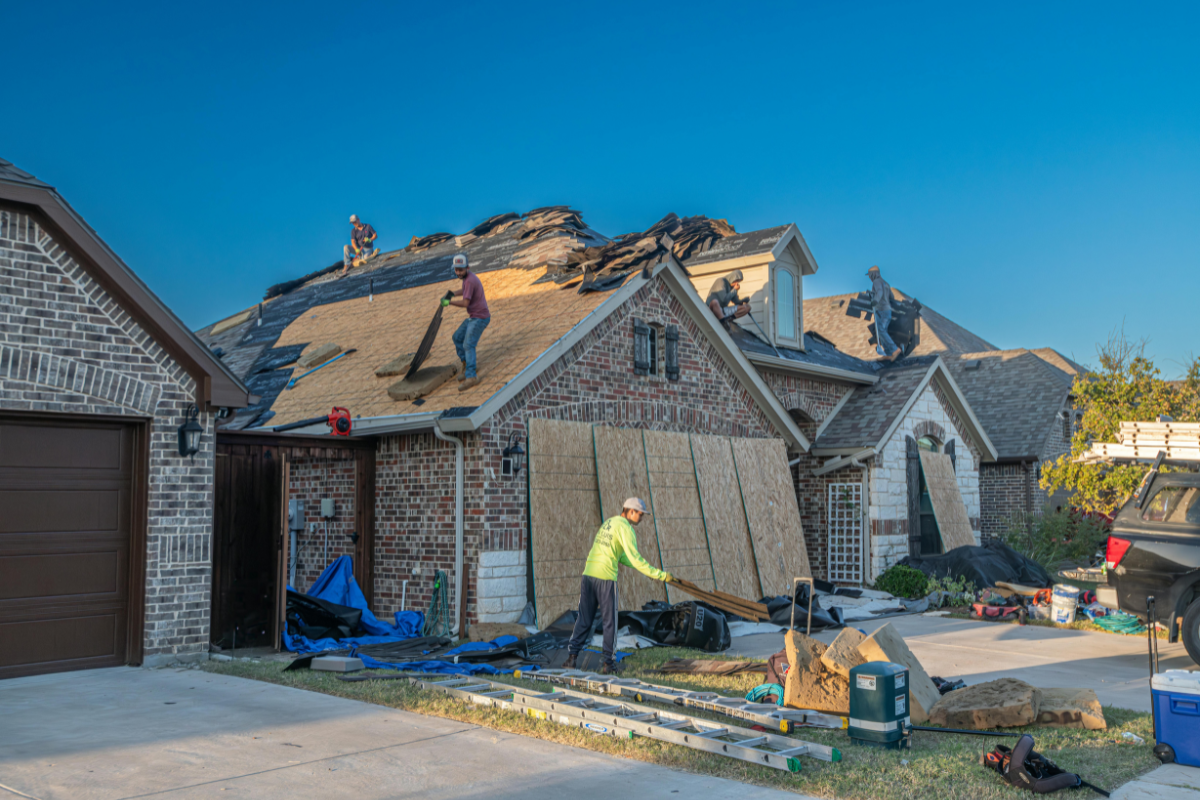
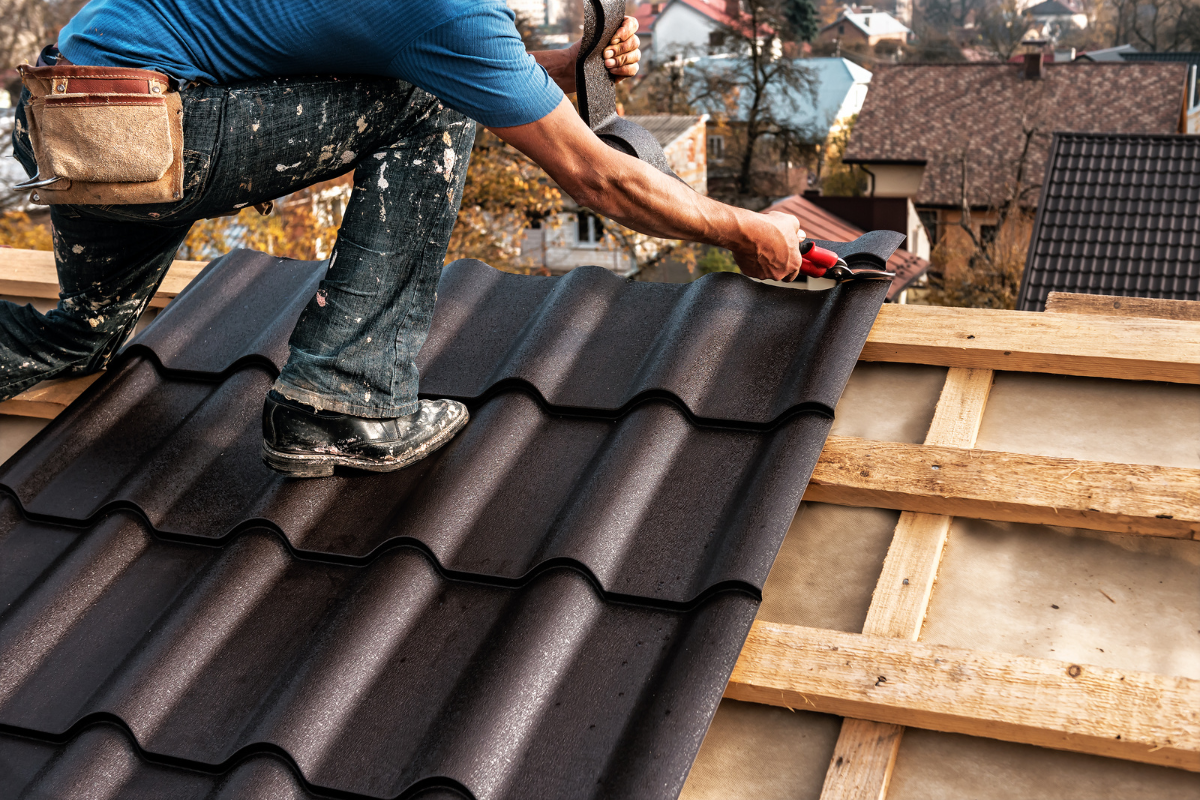
Chicago roofs earn their keep. Winter loads up shingles with ice dams. Spring blows rain sideways off the lake. Summer bakes membranes on flat roofs. Fall fills gutters with damp leaf sludge that sits like compost along the eaves. If a roofing system can survive here, it can survive almost anywhere, but it needs professional attention and the right materials. That is where licensed and insured roofing services Chicago homeowners and building owners rely on make a measurable difference.
I have walked tar-and-gravel roofs in February when the wind off the river cuts through three layers. I have traced mysterious stains across plaster ceilings in bungalows and stood on high-rise setbacks while a storm line rushed in from the west. The patterns repeat, yet each roof tells a slightly different story, and you learn to read them with your boots, your eyes, and a moisture meter. This article distills that field experience into practical guidance for choosing the right contractor, understanding scope and cost, and timing work to the seasons. Whether you need roof repair Chicago quick-turn help after a storm or long-range roof maintenance Chicago planning for a portfolio of buildings, the principles stay consistent.
What licensing and insurance actually protect
Licensing in Illinois, and specifically in Chicago, exists to protect owners and workers. The state requires roofing contractors to hold a license — residential, commercial, or unlimited. The city expects permits for most roof work that is more than minor repair. This is not paperwork theater. It ensures the contractor understands code, uses approved materials, and builds to a standard that will pass inspection. If you intend to replace more than a set portion of a roof surface or install new layers, expect a permit, and expect your contractor to pull it.
Insurance is the other piece. A reputable firm carries general liability, workers’ compensation, and often a commercial auto policy. Ask for a certificate of insurance that names you or your building entity as additionally insured for the job duration. This is normal. It protects you if a ladder dent appears on a neighbor’s siding or a crew member is injured on your property. I have seen claims handled cleanly because the paperwork was in place, and I have seen jobs grind to a halt when it was not.
The quick test: if a contractor hedges when you ask for license numbers or coverage details, keep moving. The professionals will have the information ready, and their office manager will email it within minutes.
Chicago roofs by the numbers and by the block
Most single-family homes in the city and nearby suburbs carry asphalt shingles. Many two- and three-flats, mixed-use buildings, and commercial properties downtown use low-slope systems: modified bitumen, TPO, EPDM, or built-up roofs. Each approach has strengths.
Asphalt shingles remain the default for pitched roofs. They are relatively affordable, easy to repair in small sections, and come with manufacturer warranties that range from 20 years to limited lifetime, though the real service life in our climate often sits in the 18 to 25 year window for standard architectural shingles. Installation quality matters more than the brochure life span. I have seen 10-year-old shingles fail where ice barrier membranes were skipped and ventilation was weak.
Low-slope membranes suit Chicago’s flat-roof traditions. TPO and PVC offer heat-welded seams that, when installed correctly, shrug off ponding and hold up under UV exposure. EPDM has a long track record and resists thermal shock well. Modified bitumen, especially in a multi-ply torch-applied or cold-applied system, remains a workhorse, with robust flashing details around chimneys and parapets. Choose the system that fits your building’s movement, exposure, and budget. A downtown retail roof with dozens of penetrations for HVAC lines deserves a different specification than a clean residential deck with minimal traffic.
Building age influences details. Pre-war masonry parapets often need metal coping and through-wall flashing upgrades when you replace the field membrane. Newer frame construction benefits from improved ventilation and better ice barrier coverage. I learned to measure the roof as part of a system: deck condition, insulation R-values, airflow in and out of the attic cavity, and the path any water will try to take into the structure.
The real causes of leaks, not just the symptoms
A brown spot on the bedroom ceiling does not mean the hole sits directly above. Water likes to travel. It follows nails, laps under underlayment, runs along rafters, and only shows itself where gravity and resistance reach a truce. The most common leak sources I see in roof leak repair Chicago calls fall into a handful of patterns:
- Failed flashing around chimneys, vent stacks, skylights, and sidewalls where a pitched roof meets a vertical surface. Ice dam back-ups along eaves that push meltwater under shingles and into the insulation and drywall. Open seams or punctures on low-slope membranes from dropped tools, foot traffic, or wind-lifted edges. Clogged gutters and downspouts that force water to sheet back over the fascia and under the starter course. Aging skylight seals and improperly installed satellite dish mounts or solar installations.
Notice that only one of those is age-related failure of the main field material. Roofs usually leak at transitions and details. That is why a careful inspection focuses on those points. On shingle roofs, I carry step flashing samples and replacement boots for common pipe diameters because those solve half the leaks I see in a day. On flat roofs, I bring membrane patches, primers, and compatible sealants. The fix should match the system. Mixing materials often creates a temporary patch that fails when the temperature swings.
What a proper inspection looks like
A thorough roof inspection is not a quick glance from the street. The best roofing services Chicago crews will climb, measure, probe, and document. On pitched roofs, the checklist includes shingles’ granule loss, nail pops, soft decking spots near eaves, flashing condition, and attic airflow. On low-slope roofs, we look for seam integrity, blistering, shrinkage at terminations, ponding depth and duration, and the state of roof drains and scuppers.
Inside the building, I trace stains, check the attic for wet insulation, and look for daylight at penetrations. I carry a pinless moisture meter to map hidden damp areas in drywall and plaster. Photos tie it all together and form the basis for scope discussion with the owner. A good inspection also defines what not to do. If the membrane is intact and leaks only at one skylight, you do not need a full replacement. If the shingles are blowing off in handfuls and the decking flexes underfoot, patching is false economy.
Repair versus replacement, and how to decide
Owners ask this constantly, and the answer depends on age, damage location, and risk tolerance. If a roof is under half its expected service life and the leak tracks to a detail, repair makes sense. Swap damaged shingles, re-flash the chimney, clear the gutters, and re-seal the boot, then monitor. This kind of roof repair Chicago jobs often run a few hundred to a few thousand dollars, depending on access and material.
When a roof approaches end-of-life, repairs still have value but serve as stopgaps to buy time for budgeting. Curled shingles across broad areas, multiple membrane failures, soaking insulation, or chronic ice damming that stems from design flaws push toward replacement. Replacement also opens the door to upgrades: better ventilation, thicker insulation, improved flashing, and in some cases a different system that handles site conditions better. I have walked clients through a two-step plan: stabilize with targeted repairs before winter, then replace in spring when weather and scheduling improve.
Timing the work to Chicago weather
We roof in winter here, but the calendar affects techniques. Cold slows adhesive set times, complicates welds on single-ply membranes, and makes shingles brittle if you do not handle them right. Crews adapt with heated trailers, seam weld tests, and careful staging. Even so, most replacements go more smoothly from late March through early November. Repairs, especially for active leaks, happen year-round. The trick is to address water intrusion quickly and schedule larger scope work for weather windows that allow quality installation.
I often advise owners to use late winter for planning. Line up inspections and quotes, choose materials in March, secure permits in April, and finish replacements before the first long heat wave. Fall remains a great time for maintenance: clear gutters, check flashing, and seal penetrations before freeze-thaw cycles start up.
Roof maintenance and why it pays for itself
Maintenance rarely gets the spotlight, yet it is the cheapest way to extend roof life. A twice-yearly routine catches small problems early and keeps warranty coverage intact. Most manufacturers require documented maintenance to honor claims. The tasks are straightforward, and a professional can move through a medium-sized roof in an hour or two.
Here is a compact maintenance checklist that works for most Chicago buildings:
- Clear gutters, downspouts, and scuppers. Confirm water flows freely to ground or storm drains. Inspect all flashings, especially at chimneys and sidewalls. Re-seal or replace pieces that lift or rust. Look for membrane punctures, open seams, and shrinkage at terminations. Patch with compatible materials. Check penetrations: vent boots, HVAC curbs, skylight frames. Tighten fasteners and renew sealants. Assess attic or roof cavity ventilation and insulation. Correct ice-dam risk zones before deep winter.
For multi-building owners, a simple log with photos, dates, and actions taken keeps things organized. I once worked with a condo board that moved from emergency calls every January to clean checkups twice a year. Their average annual spend dropped by a third because they stopped paying for after-hours leak chases and drywall repairs.
Material choices that stand up to Chicago
When you evaluate options, push past brand slogans and ask about system performance in freeze-thaw and wind. On shingle roofs, look for high wind ratings, reinforced nailing zones, and a full ice and water shield along eaves, valleys, and up the warm side of any exterior wall. The extra membrane in valleys is cheap insurance. Ridge vents paired with adequate soffit intake prevent heat buildup under snowpack that leads to ice dams.
On low-slope roofs, TPO and PVC offer reflective surfaces that help with summer heat, which matters for energy bills on top-floor units. EPDM tolerates temperature swings and can be ballasted or fully adhered depending on deck and wind exposure. Modified bitumen remains a favorite on complex roofs with many penetrations because seams are robust and details are forgiving when installed by a seasoned crew. Chicago’s building code and the property’s fire rating will narrow choices. A licensed contractor should present options with clear pros and cons, not just a single system they happen%2